As a current student at the Richmond Institute (2025 cohort), I’ve been absolutely blown away by how much the course has exceeded my expectations. The industry experience I’ve gained in just four short months is something no traditional university course could offer, and it places you leaps and bounds ahead of most university students studying similar programs, simply through the placements we have access to.
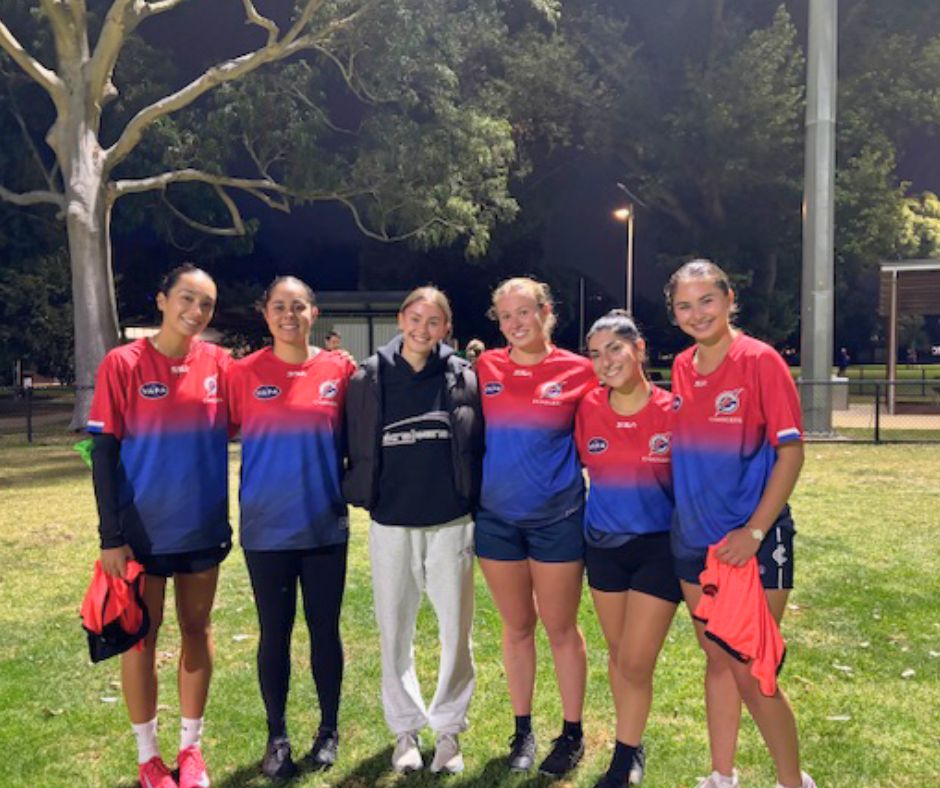
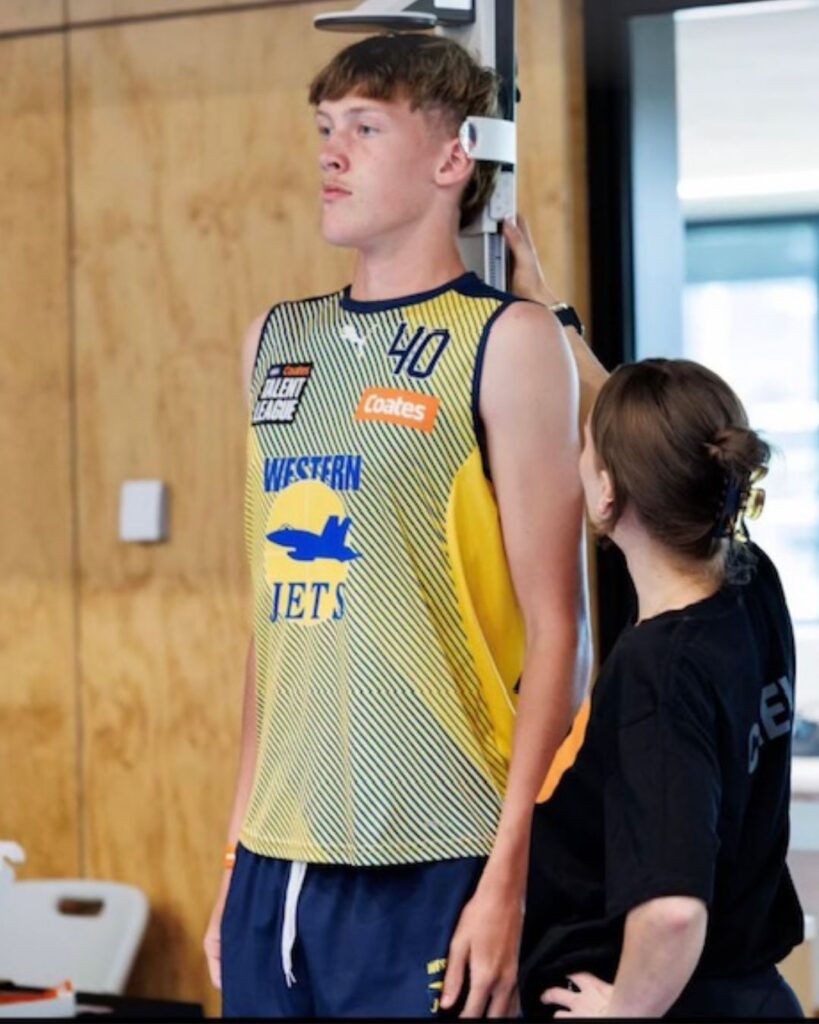
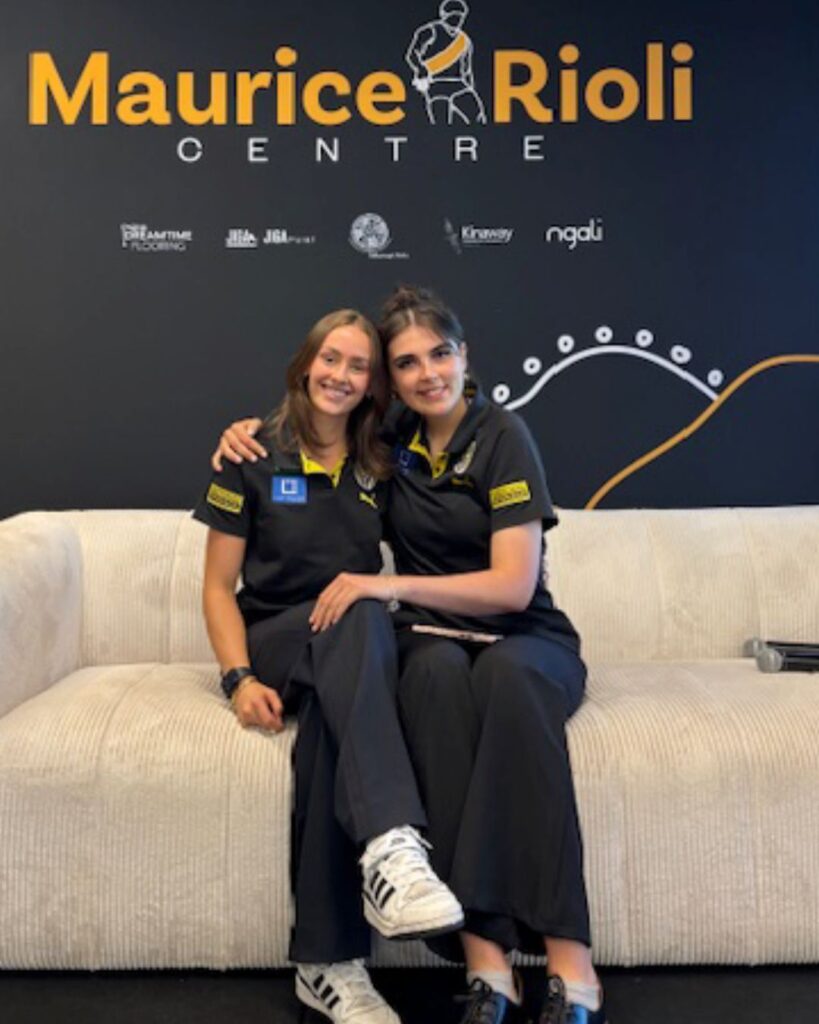
In my time at RISL so far, I’ve completed multiple placements as a performance tester at Rookie Me, begun working as an Assistant Strength and Conditioning Coach for the Port Melbourne Chargers Women’s Football Club, and taken on a role as a Sports Trainer for the Gippsland Power Football Club within the Coates Talent League. Alongside all of this, I’ve also had the opportunity to assist on game days with the Richmond Football Club across various departments, including events, membership, and fan engagement. These have been invaluable experiences, offering a rare behind-the-scenes look at how an elite football club operates and just how much it takes to run smoothly at the highest level.
As someone whose future goal is to become a High Performance Manager within a sporting club, I’ve found the versatility and flexibility of RISL’s placement opportunities incredibly beneficial. It allows every student to either explore different pathways within the sports industry or, like me, gain hands on experience in a specific role to understand the day to day responsibilities it involves. This real world exposure helps you determine if your intended career is truly the right fit, or whether another path in sport might better suit you.
For example, through my placement as an Assistant Strength and Conditioning Coach at the Chargers, I’ve learned how to input and analyse GPS data using specialised software and Excel spreadsheets. I can now generate graphs and reports from training and match days to assess things like total distance covered and top speeds, which inform necessary adjustments to training loads. These are core skills I would use daily as a High Performance Manager.
Likewise, in my role as a Sports Trainer with Gippsland Power, I’ve had the chance to consult directly with physiotherapists about player injuries sustained during games or training. These conversations have expanded my understanding of the body from a medical perspective and have helped me better manage injured players. Again, this is a vital aspect of a High Performance Manager’s role, ensuring players are physically and mentally ready to perform, liaising with medical staff, and making the final call on player availability.
One of the things I value most about RISL is its strong sense of community. It’s one of the most open, united groups of people I’ve ever been part of, and that culture extends to the staff as well. You can genuinely tell they care about what they do, and they care about us too. That level of support makes me want to be the best I can be. I truly feel like I have people in my corner who want to see me succeed.
I couldn’t recommend this course more highly to anyone considering a career in the sports industry. The experience you gain through placements is something a classroom simply can’t replicate. If you’re thinking about joining the program, I encourage you to not only say yes, but to fully throw yourself into every opportunity. Go into each placement with a goal or a clear idea of what you want to get out of it. That mindset can be the difference between the person who gets the job and the one who doesn’t.
This article was written by Keeley Pyle a current Diploma of Sport/Diploma of Leadership and Management (SIS50321/BSB50420) student studying in collaboration with Swinburne University of Technology and the Richmond Football Club.